



















| General Introduction
Shaoguan City
銆怗eneral Introduction銆
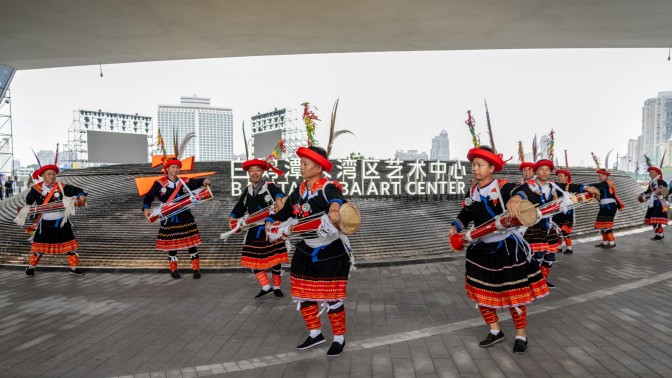
Shaoguan is located in northern Guangdong, adjacent to Jiangxi and Hunan Provinces. It covers an area of 18,500 square kilometers, with a population of 3.2 million. It exercises jurisdiction over 3 districts (Qujiang, Wujiang, Zhenjiang), 7 cities and counties (Lechang, Nanxiong, Renhua, Shixing, Wengyuan, Xinfeng and Ruyuan). The Han people account for the majority, with some minorities, such as Yao and She.
銆怘istory銆
Since the early Western Han Dynasty, current downtown Shaoguan has been a county-level region. It was China's coalmine industry center in the Tang Dynasty. In the Qing Dynasty, it was an important customs gateway. Shaoguan is the hometown of well-known Maba Man, the earliest aboriginal people lived in Guangdong. The famous Nan Hua Temple is an influential shrine of Buddhism.
銆怑conomy銆
Shaoguan has obvious advantages in agriculture. Vegetable, quality rice, poultry, fish, special fruits, bamboo and tobacco have become its pillar industries. Shaoguan is also a heavy-industry city with focuses on metallurgy, electricity and tobacco production.
銆怲ransportation銆
Located on the busiest logistic transportation line between northern and southern China, Shaoguan is an important traffic pivot. Beijing-Zhuhai Express, Beijing-HongKong Railway, National Highway No.105, 106 and 107 and BeijiangRiver waterway have formed a convenient communication network. It only takes one hour to travel from downtown Shaoguan to Guangzhou Baiyun International Airport and two hours to downtown Guangzhou. Shaoguan Railway Station lies on the Beijing-Kowloon Route. Everyday, over 200 passenger and cargo trains, including Beijing-Kowloon and Shanghai-Kowloon trains, depart from or stop at the station.

銆怢ocal Specialty銆
Sanhua plum, Maba rice, Yanxi Mountain Baimao tea.
Editor: Yan
|