











NEWSGD.COM
Home | About Us | Contact Us | Site Map | Chinese
News | Biz | Pearl River Delta | Enjoy Life | Culture | Travelling | Pics | Cities & Towns | Gov Info | Specials
Home> Specials>Beijing 2008 Olympic Games>Basic Facts
Brief Introduction to NPC
Latest Updated at 2008-July-28 16:33:20

Introduction of the System of People's Congress

The system of people's congresses is the basic political system of China. The Constitution of the People's Republic of China prescribes that all power of the state belongs to the people. The National People's Congress(NPC)and local people's congresses at all levels are the organs through which the people exercise state power. The people's congresses at all levels are constituted through democratic elections, and they are responsible to the people and subject to their oversight. The administrative, judicial and procuratorial organs of the state are created by the people's congresses, to which they are responsible and by which they are overseen.
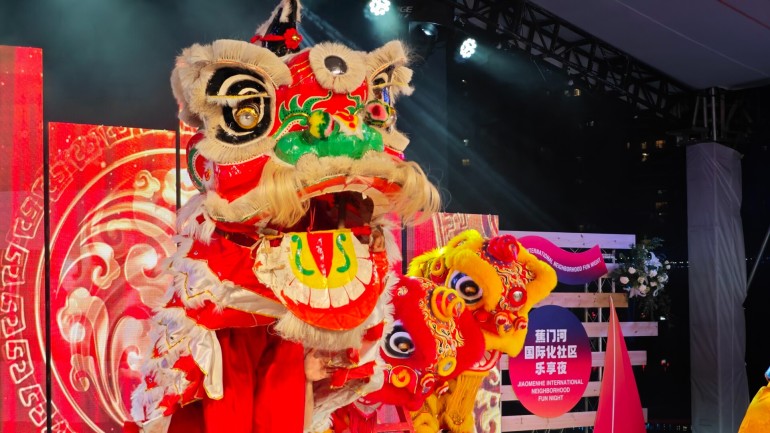
The First Session of the First NPC held in Beijing on September15,1954,symbolizes the systematic nationwide establishment of the system of people's congresses. Events over the past 50 years have proven that this system conforms to the conditions in China and can effectively guarantee that state power is always held by the people.This system has already become deeply rooted in China's land and among its people. As China advances, this system will surely be improved and developed.

National People's Congress

The National People's Congress (NPC) is the supreme organ of state power in China. It is composed of NPC deputies who are elected according to law from the provinces, autonomous regions, municipalities directly under the Central Government and from the People's Liberation Army for a term of five years.

The NPC meets once a year. It may hold an interim session if its Standing Committee deems it necessary or if one-fifth or more of its deputies so move.

Functions and Powers of the National People's Congress

To amend the Constitution and oversee its enforcement. Only the NPC has the power to amend the Constitution. Amendments to the Constitution must be proposed by the NPC Standing Committee or by one-fifth or more of the NPC deputies, and they must be passed by a two-thirds majority vote of all deputies. The Constitution of the People's Republic of China was adopted at the First Session of the First NPC in 1954 and comprehensively revised by the NPC in 1982. The current Constitution is the one promulgated and put into effect after this revision. Since then, the NPC has partially amended the Constitution on four occasions, in 1988, 1993, 1999 and 2004. To defend the dignity of the Constitution and guarantee its enforcement, the NPC also enjoys the power to oversee its enforcement.

To enact and amend basic laws pertaining to criminal offences, civil affairs, state organs and other matters. The NPC has enacted the Criminal Law, the Criminal Procedure Law, the Organic Law of the NPC, the Organic Law of the State Council, the Organic Law of Local People's Congresses and Local People's Governments, the Organic Law of the People's Courts, the Organic Law of the People's Procuratorates, the Law on the Autonomy of Ethnic Minority Region, the Electoral Law, and the Law on Deputies to the NPC and to the Local People's Congresses. The Marriage Law, the Citizenship Law, the Basic Law of the Hong Kong Special Administrative Region and the Basic Law of the Macao Special Administrative Region were also enacted by the NPC.

To elect and appoint members of the central state organs. The NPC elects the Chairman, Vice Chairmen, Secretary-General and other members of its Standing Committee and the President and the Vice President of the People's Republic of China. It appoints the Premier of the State Council based on the nomination by the President of the People's Republic of China and appoints the Vice premiers, State Councilors, Ministers in charge of ministries or commissions, the Governor of the People's Bank of China, the Auditor-General and the Secretary-General of the State Council based on nominations by the Premier. It elects the Chairman of the Central Military Commission and appoints all other members of the Central Military Commission based on the Chairman's nominations. It also elects the President of the Supreme People's Court and the Procurator-General of the Supreme People's Procuratorate. The NPC has the power to remove from office any of the above-mentioned officials.

To decide on major issues of state. This work includes examining and approving the report on the plan for national economic and social development and on its implementation; examining the report on the central and local budgets and their implementation and approving the report on the central budget and its implementation; approving the establishment of provinces, autonomous regions and municipalities directly under the Central Government; deciding where to establish special administrative regions and what system they should institute; and deciding questions of war and peace. The establishment of the Hong Kong Special Administrative Region, the Macao Special Administrative Region, Hainan Province and Chongqing Municipality and the building of the Three Gorges Project on the Yangtze River were all decided by the NPC.

Editor: Yan

By: Source: Newsgd.com
  Related News

At 226.93 meters, local papercutting breaks world record

Guangdong Hakka Museum opens in Meizhou

1 more Chinese property added to World Heritage List

New Guangdong Provincial Museum to be unveiled next June

Pirates of the Caribbean 3 premieres in China
This site contains material from other media for content enrichment purpose only.
The Southcn.com website do not endorse such content and do not bear the joint responsibility of their copyright infringement.
The views expressed in written material posted to the bulletin boards of Southcn.com are those of the authors and/or publishers. The Southcn.com website does not endorse information products posted by organizations and individuals here. The originators of these information products are solely responsible for their content.
For copyright infringement issues, you shall contact Southcn.com within thirty (30) days. Email: falv@southcn.com
If you find any error in this page, please drag your mouse to mark the text with error, then press "CTRL" and "ENTER", to inform us. Thanks for your help!
Home  |  About Us  |   Contact Us  |  Site Map  |  Chinese
©2005 WWW.NEWSGD.COM. All rights reserved.registered number 020074 Terms of Use | Advertise | ICP Certificate No.B2-20050252
Guangdong Gov Link
Guangdong Gov Brief
State Structure
Guangdong in Brief
Laws & Regulations
Exchange Rate
Guangdong Guide
   
Museum Museum
University University
Eat Eat
Shopping Duting
Night Life Night Life
Weather Weather
Phone No. Phone Num
Consulate Consulate
Airport Airport
Travel Tips Tours Tips