

















Long before smartphones and wechat, letters were the only form of long distance communication. Many of the ancient post roads used to convey these letters can still be seen and walked today.
233 ancient post roads have been discovered to date in Guangdong, with a total length of 710 kilometers. Among them, 32 roads were built in Qin and Han dynasties (over two millennia ago), according to a press conference held by the Guangdong Cultural Relics Bureau on April 17th.
Along these ancient post roads, 906 cultural relics were discovered, including pavilions, bridges, piers, old city walls and buildings.
Most of them are located in mountainous areas in northern Guangdong, such as Shaoguan, Heyuan, Meizhou and Qingyuan.
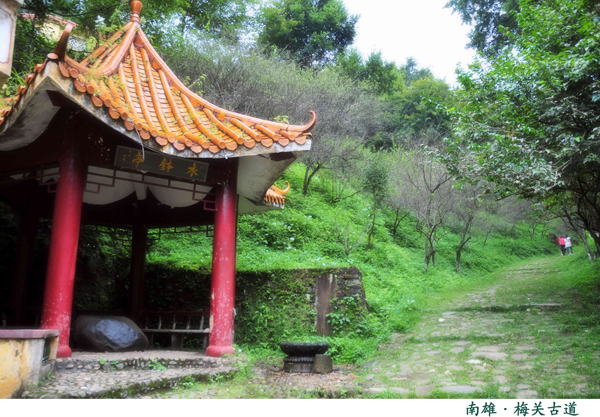
The 8-kilometer Meiguan Gudao (梅关古道) in Shaoguan is considered the best-kept ancient post road in Guangdong.

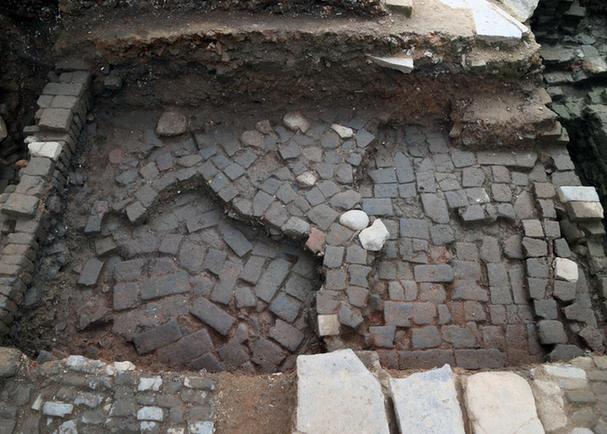
Above pictures showing the Chaotian Gate, Zhaoqing ancient city wall, the only intact city wall in Guangdong.

Qi'ao Gudao that links Zhongshan and Macao, one of the well-kept ancient post roads in Guangdong.
This year, Guangdong will restore or reconstruct 11 ancient post roads into historical tourist spots. Hopefully by National Day holiday, these ancient post roads will be open to the public.
“The primary principle of the restorations is to keep these cultural relics as they are”, according to Long Jiayou, director of Guangdong Cultural Relics Bureau. Themed activities such as hiking and cross-country orienteering will be organised to increase public awareness of Guangdong’s history and culture.
The 11 ancient post roads are located in Guangzhou, Shaoguan, Qingyuan, Heyuan, Meizhou, Chaozhou, Zhuhai, Huizhou and Shanwei.
Author: Sylvia
Editor: Simon Haywood