

















The Nei Lingding Island of Shenzhen is one of the habitats with the highest density of macaques. The macaque is a classⅡprotected animal in China. In Shenzhen, more than 1,000 wild macaques live on the Island, a national nature reserve.
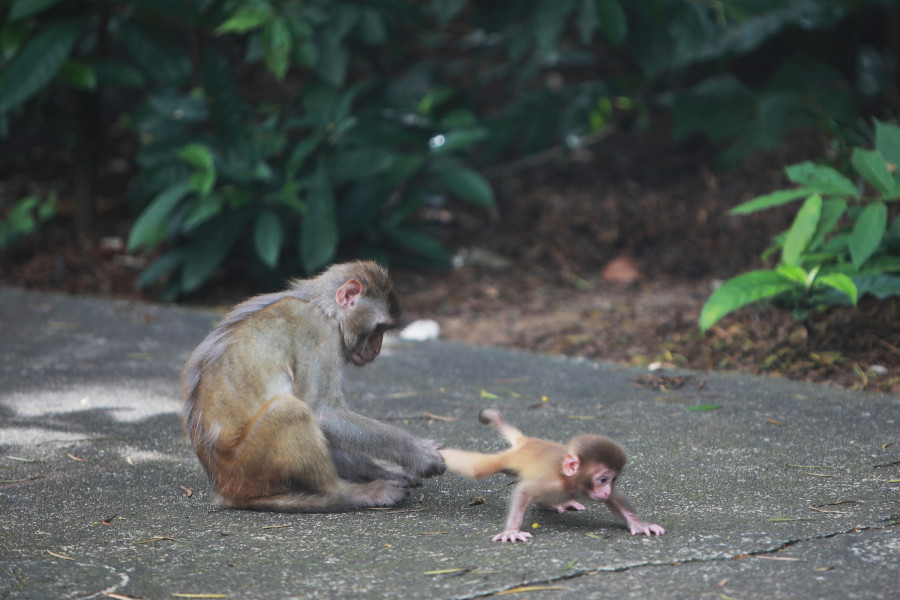
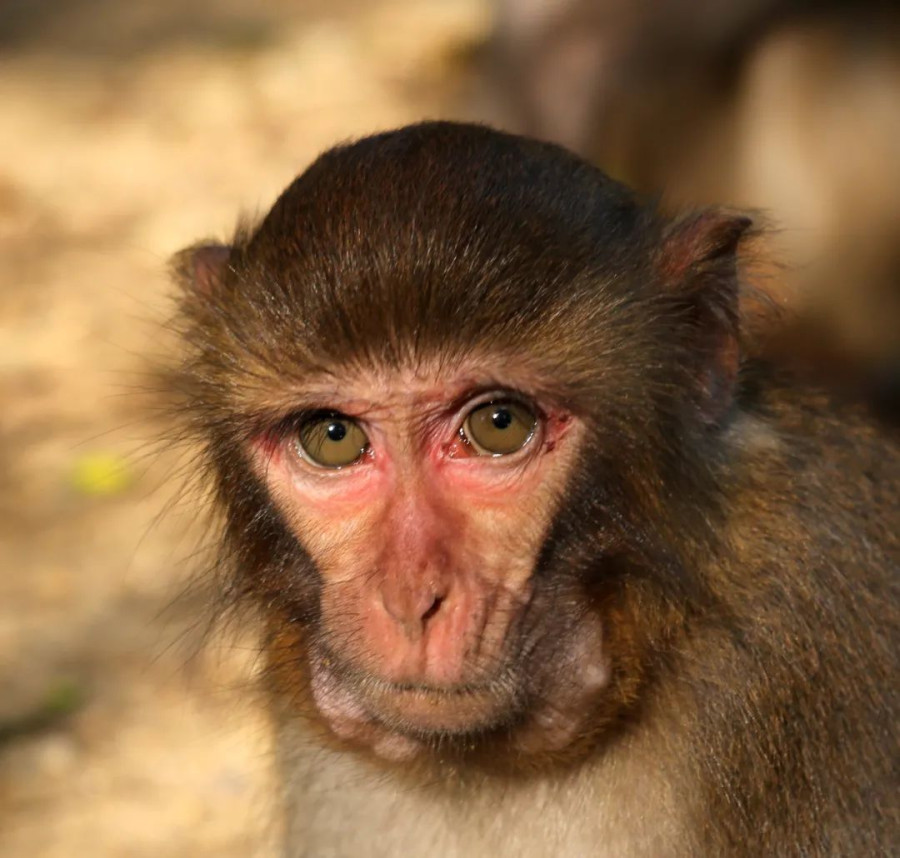
Macaques on the Nei Lingding Island in Shenzhen. (Photo: Nanfang Daily, Nan Zhaoxu)

Aerial photo of the Nei Lingding Island in Shenzhen. (Photo: Shenzhen Fabu)

Scan the code to view the Nei Lingding Island with VR (visual reality) technology.
The macaque is one of the very few wild animals with facial muscles, which allow them to make obvious and changeable expressions. The reason why people love macaques is that they, like human beings, can express their joy, anger, and sorrow on faces.
Curiosity—macaques can imitate human movements.

(Photo: Nanfang Daily)
Joy—young macaques are always carefree and playful like humans.

(Photo: Shen Ruming)
Vigilance—except for giant pythons, macaques on the Nei Lingding Island have almost no natural enemies, and their hostility is often directed against other monkey groups.
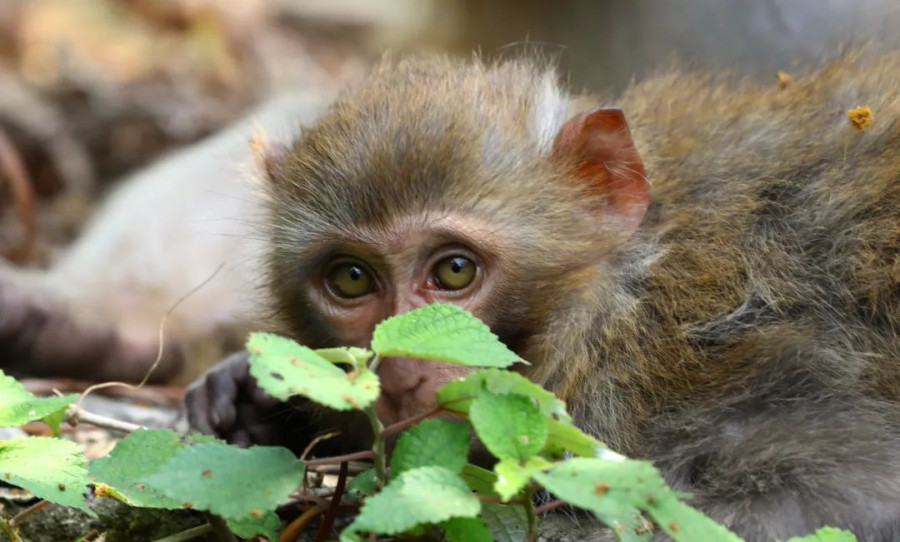
(Photo: Nan Zhaoxu)
Friendliness—two macaques are greeting their companions. The common friendly behaviors of monkeys are to groom each other's backs, heads and other parts that are difficult to touch by themselves.
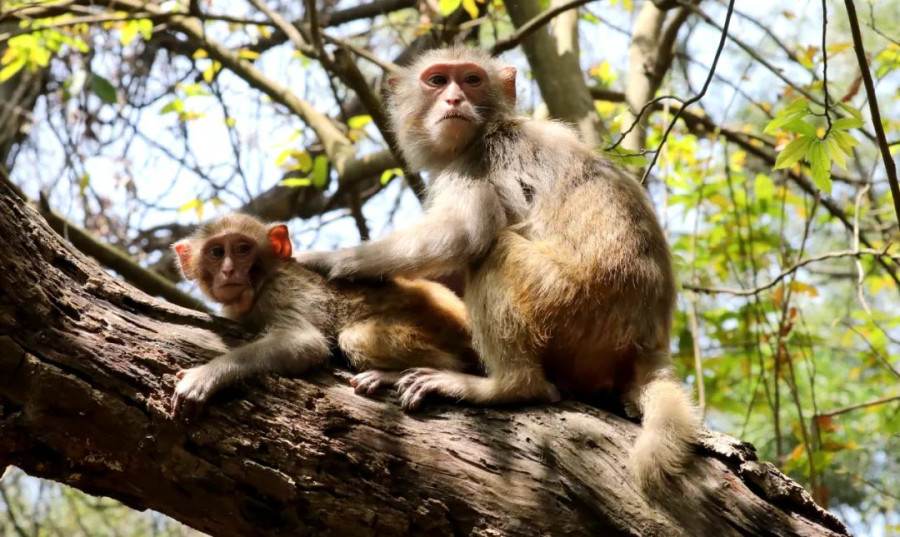
(Photo: Nan Zhaoxu)
Intimidation—macaques usually open their mouths, show their teeth, and growl to make threats.
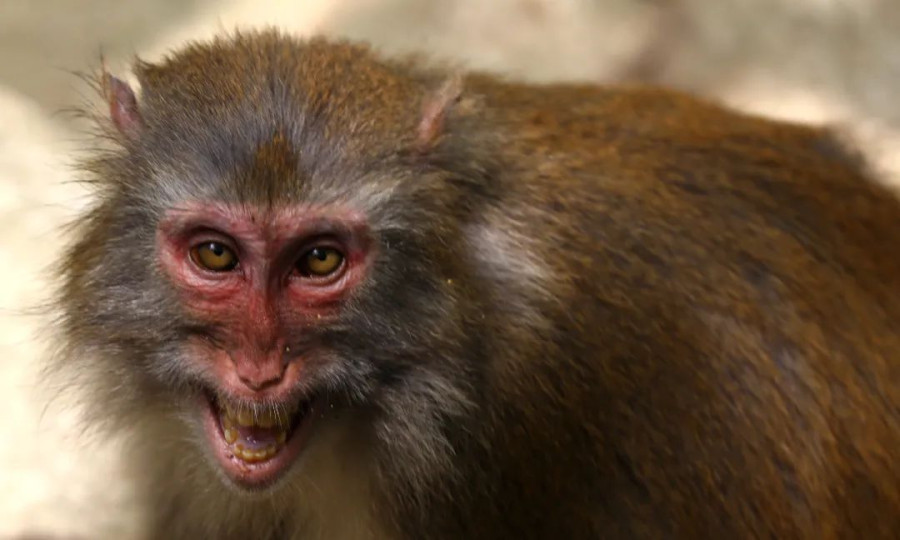
(Photo: Nan Zhaoxu)
The macaques on the Nei Lingding Island live in matriarchal groups with a rigid hierarchy. Young males will leave their group before sexual maturity, avoiding inbreeding, while the females will remain in the group all the time.
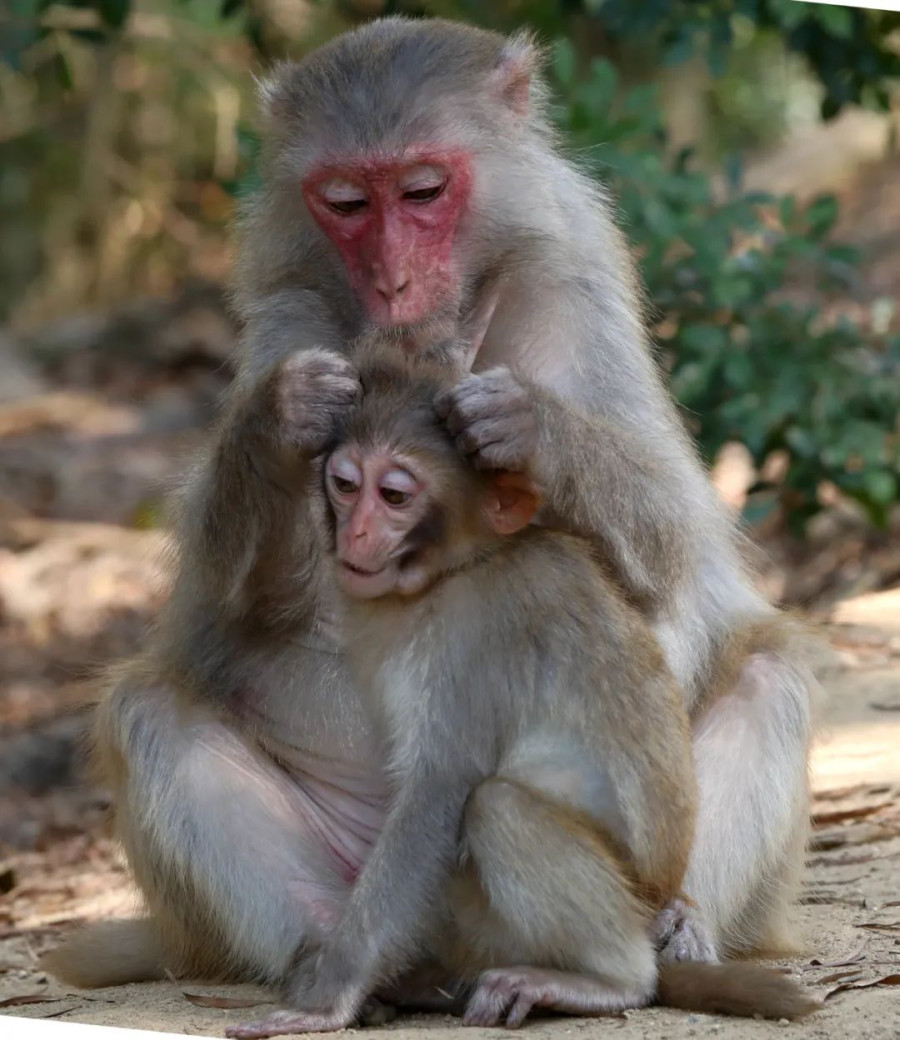
"Auspicious Lady (吉祥娘娘)", the highest-ranking female macaque in her group, and her child. (Photo: Nan Zhaoxu)
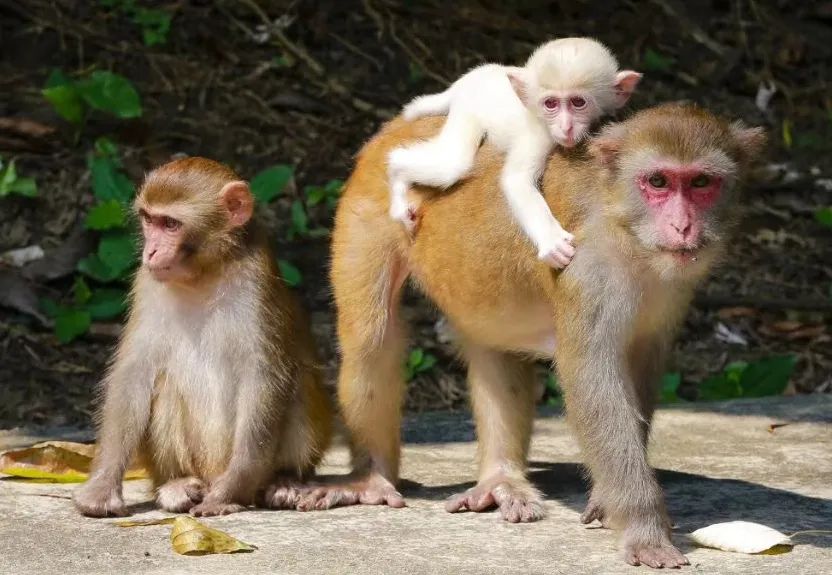
An albino baby macaque is lying on its mother's back. Albinism is a kind of rare genetic disease caused by gene mutations. About one in 100,000 macaques have a form of albinism. (Photo: Ou Peng)
Photo: Shenzhen Fabu
Author: Ariel
Editor: Wing, Steven, Monica, Will, Jerry