

















World Malaria Day falls on April 25. This year marks the 50th anniversary of the discovery of artemisinin, which plays a crucial role in treating malaria. For over five decades, Guangdong has always been devoted to the global anti-malaria battle on the front-line.
"As the birthplace of artemisinin treatment, Guangdong pioneers its manufacturing and international promotion", remarked Xu Qingfeng, Deputy Director-General of the Health Commission of Guangdong Province and Head of the Traditional Chinese Medicine Bureau of Guangdong Province, at a press briefing held on April 29.
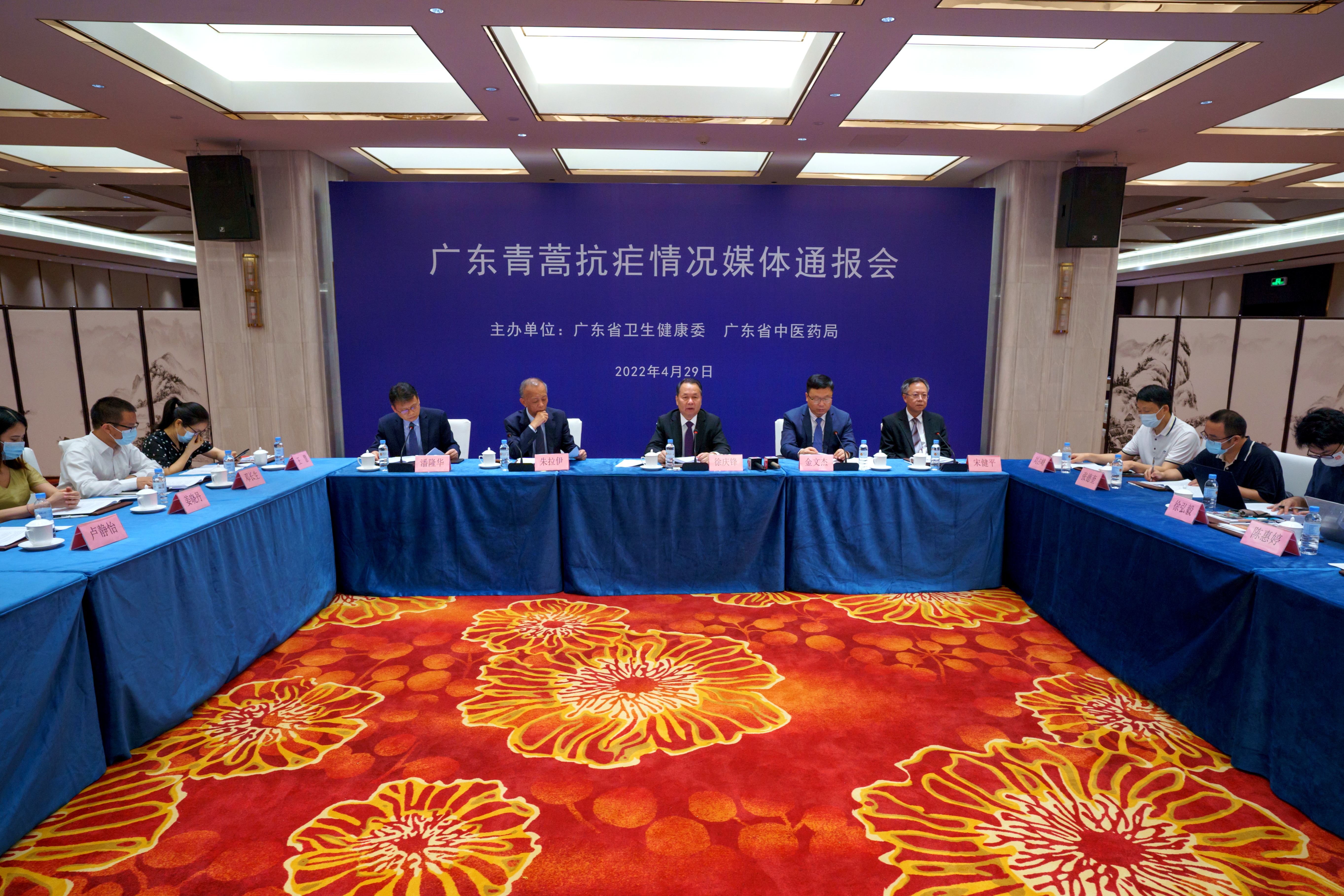
At the press briefing. (Photo provided to Newsgd.com)
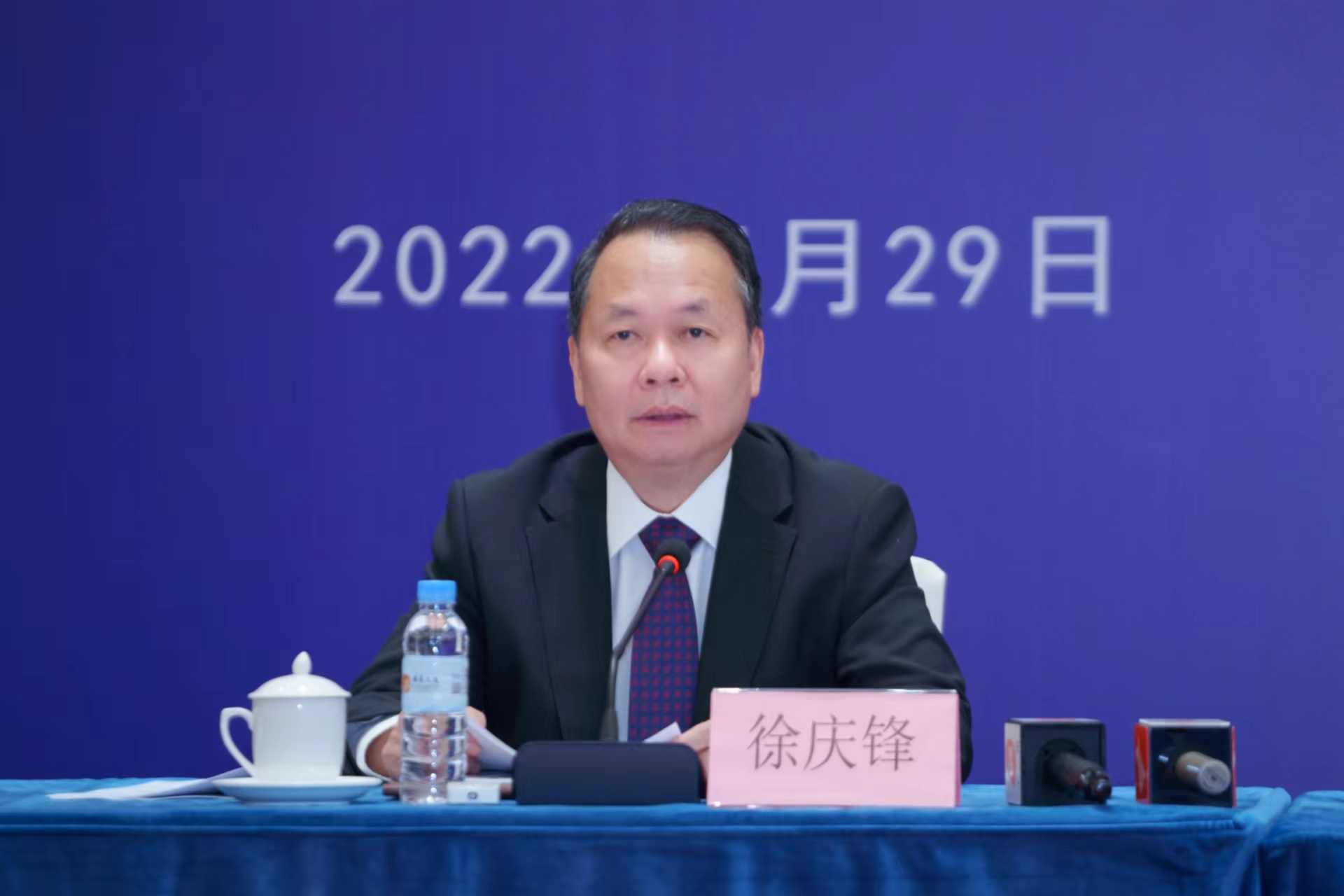
Xu Qingfeng, Deputy Director-General of the Health Commission of Guangdong Province and Head of the Traditional Chinese Medicine Bureau of Guangdong Province. (Photo provided to Newsgd.com)
Since 1967, led by Professors Li Guoqiao and Song Jianping, a medical team – from Guangzhou University of Chinese Medicine – that focuses on artemisinin treatment, has been fighting unremittingly against malaria in the world.
Particularly, since the year 2003, the team has made remarkable progress in eliminating malaria via the Malaria Elimination Project by Compound Artemisinin in Cambodia, Comoros, Sao Tome and Principe, and Papua New Guinea.
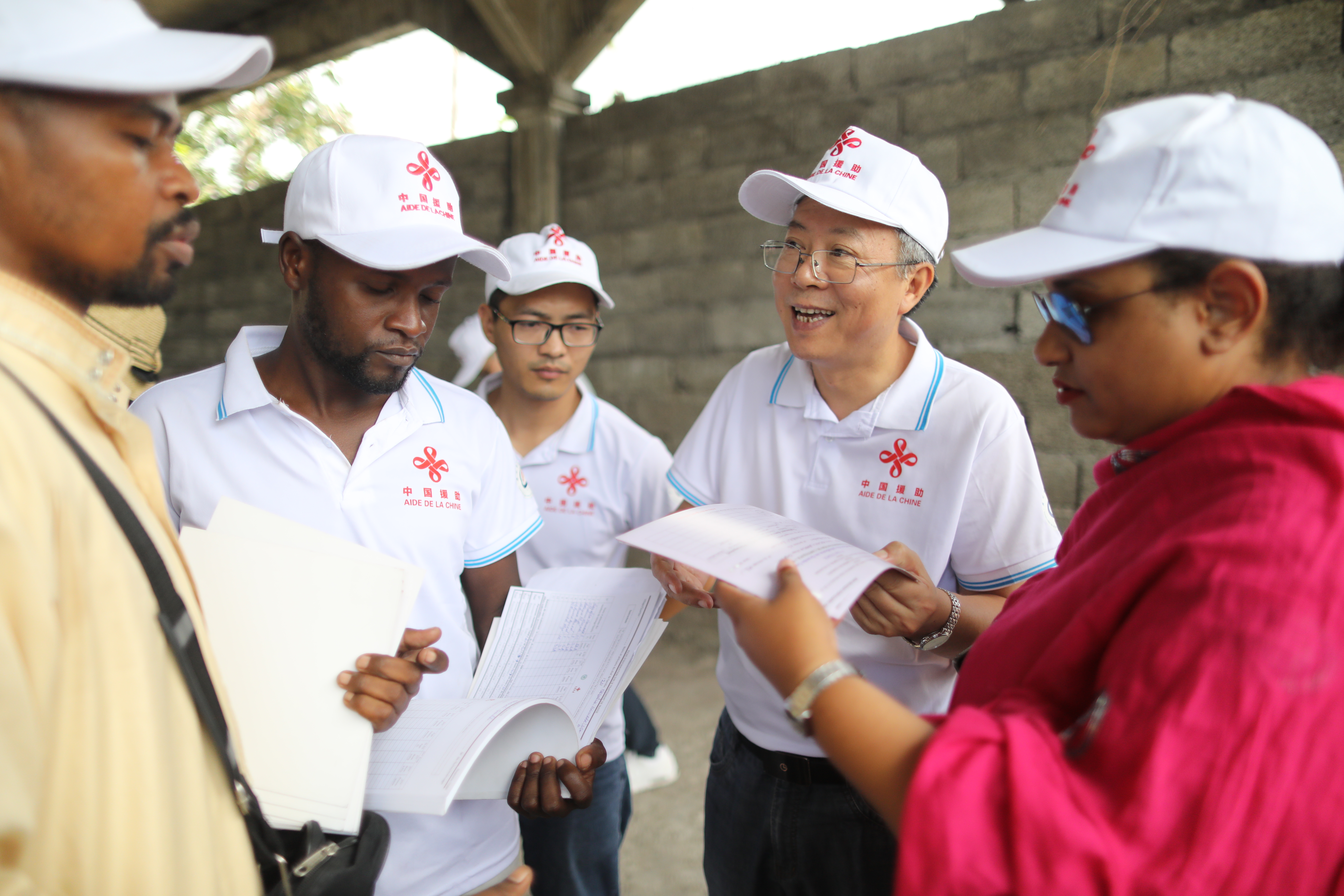
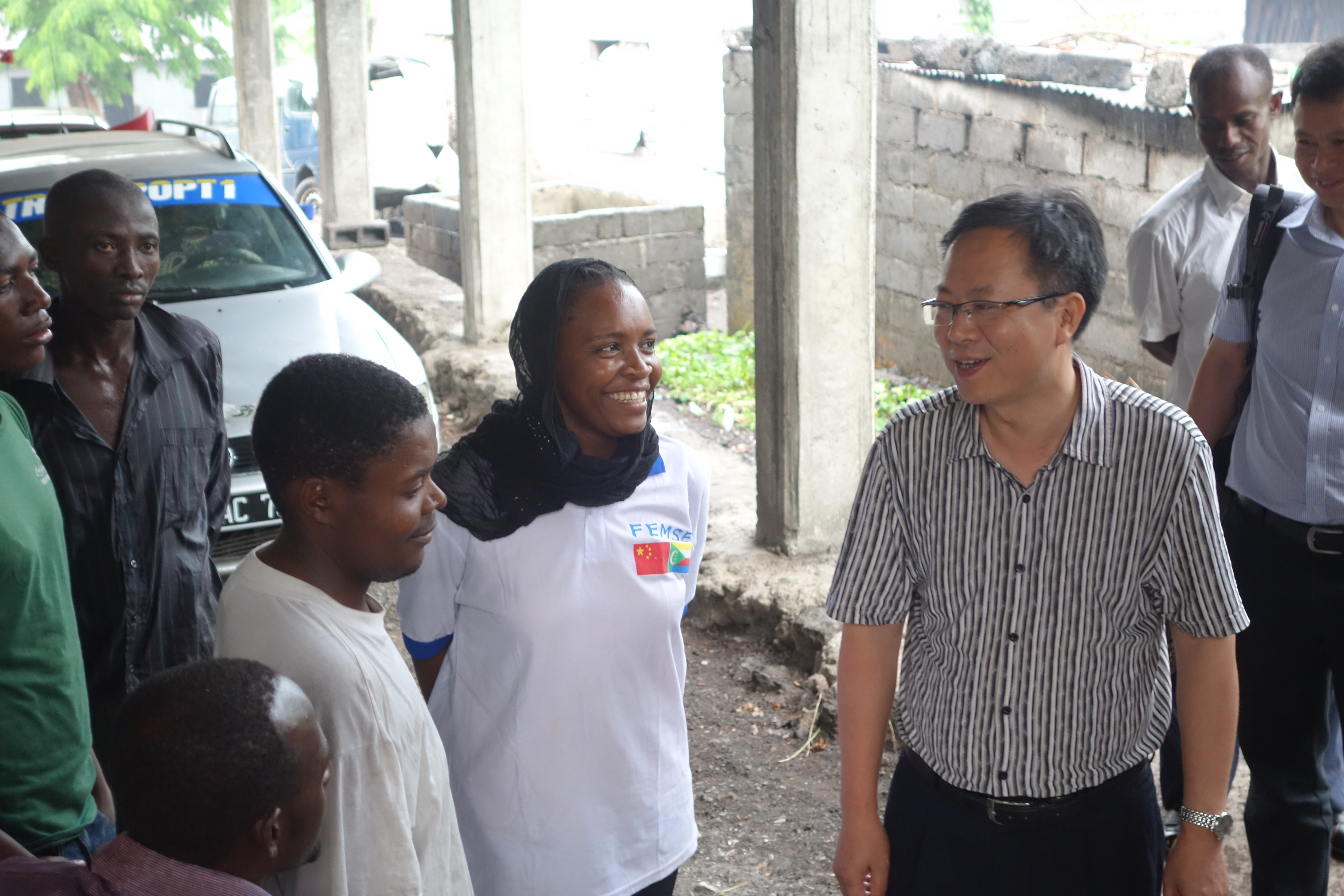
Professor Song Jianping's team aided with the distribution of drugs in Comoros. (Photo provided to Newsgd.com)
In total, the team has dispatched more than 260 relevant experts who worked abroad for over 24,590 days, and trained around 10,000 grassroots medical workers and 600 specialists. Their work has directly benefited more than 20 million people around the world.
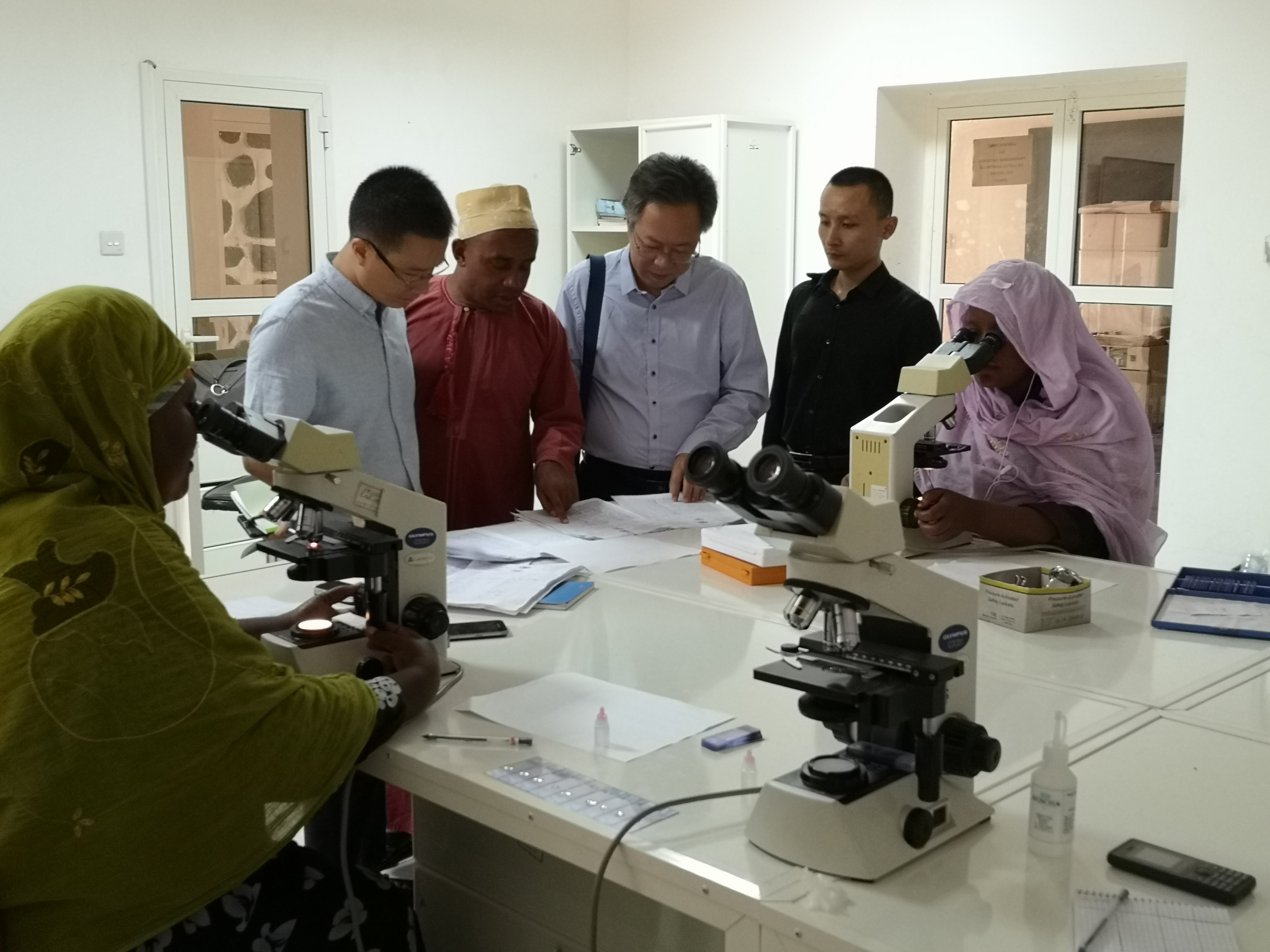
Professor Song's team investigated the malaria situation in Malawi. (Photo provided to Newsgd.com)
According to Song Jianping, the team from Guangzhou University of Chinese Medicine is the only Chinese medical team that keeps conducting research on artemisinin treatment in Asia and Africa, and they're welcomed by the assisted countries and the local people.
Song added, with the demonstration project of China (Guangdong) - Papua New Guinea Malaria Prevention and Treatment Center, the team has helped Papua New Guinea get rid of malaria by training about 15 senior specialists and 500 village health workers. The country now sees zero deaths caused by malaria.
Pan Longhua, Vice President of Guangdong New South Group, recalled that malaria had become one of three major global infectious diseases since the middle of the 20th century due to plasmodium falciparum's resistance to traditional drugs and the lack of suitable prevention and control against malaria in Africa. It had become an urgent issue for the global community to aid Africa in reducing malaria cases and deaths.
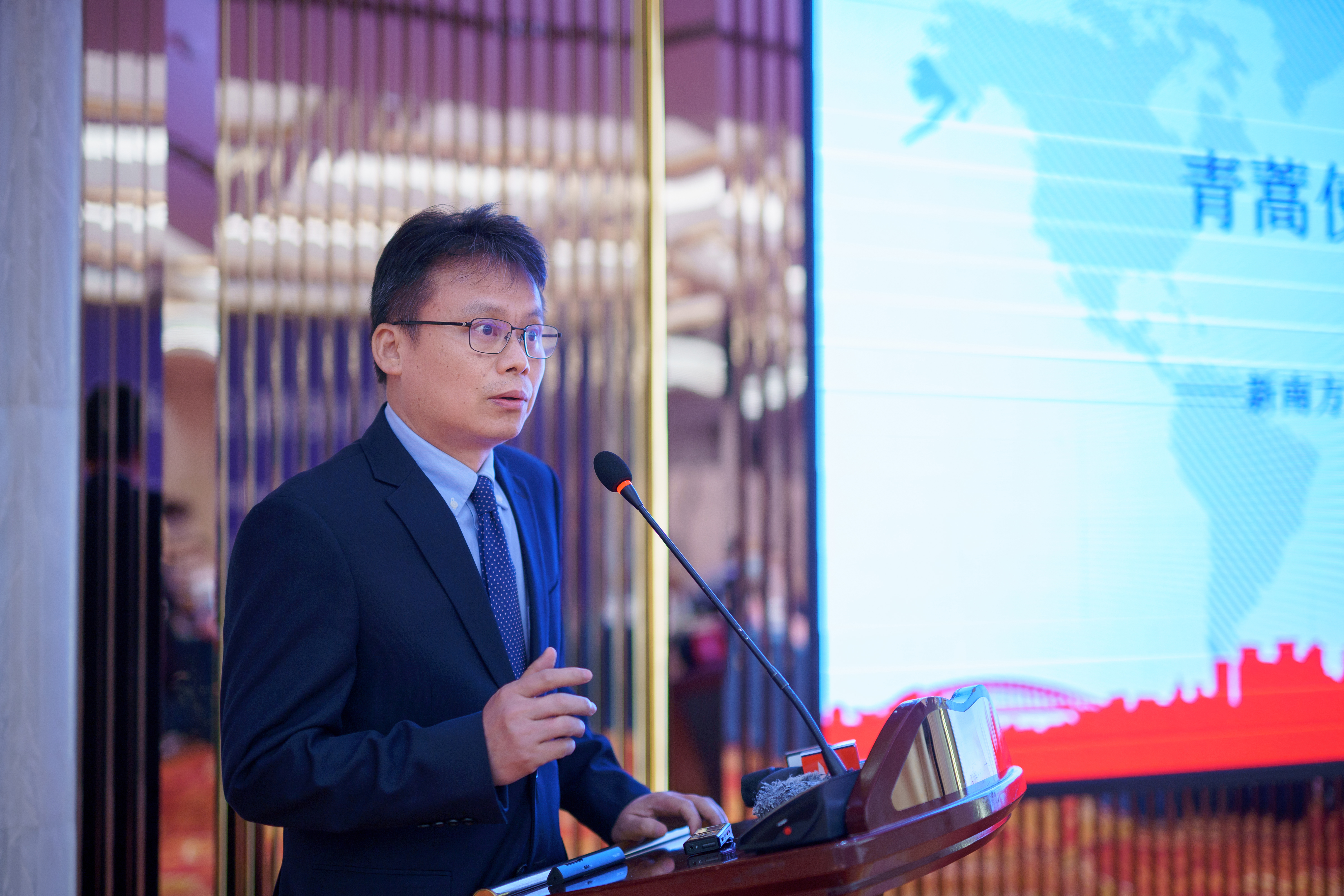
Pan Longhua, Vice President of Guangdong New South Group. (Photo provided to Newsgd.com)
In 2004, the Group started to cooperate with the artemisinin treatment team of Guangzhou University of Chinese Medicine and developed Artequick, which is an effective drug to treat malaria.
The two sides have launched the program "Fast Elimination of Malaria by Source Eradication (FEMSE)" since 2007.
Since then, the incidence rate in the demonstration area that used the drugs has decreased by more than 98%.
Guo Wenfeng, Director of the Anti-malaria Aid Program in Sao Tome and Principe, said that in 2019, the country's Bairro Da Liberdade Village adopted mass drug administration, which is a strategy proposed by China, as well as many other comprehensive prevention and control strategies.
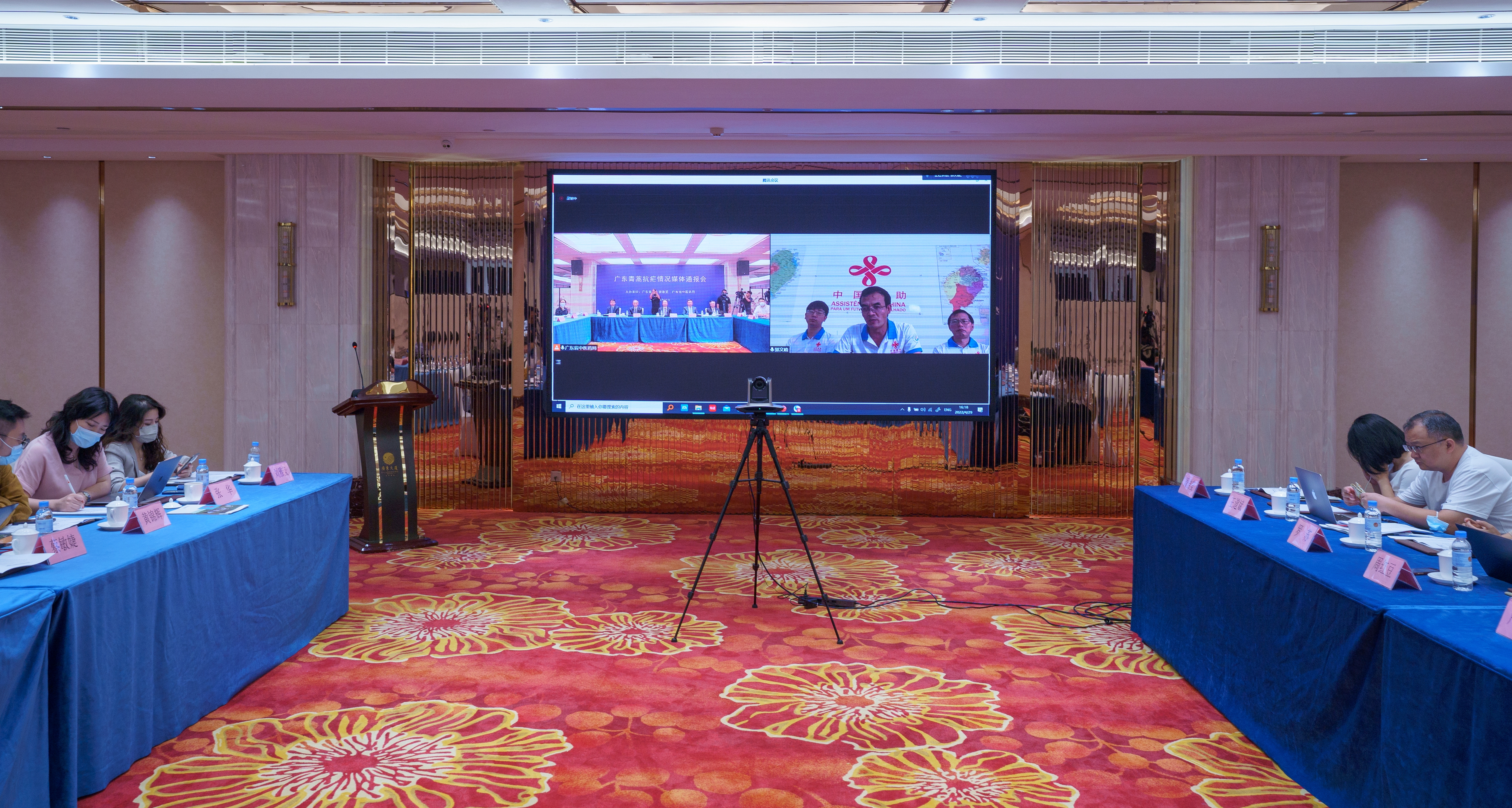
Guo Wenfeng, Director of the Anti-malaria Aid Program in Sao Tome and Principe shared his story via video conference. (Photo provided to Newsgd.com)
As a result, the malaria endemic in the village was contained quickly. No local cases have been reported for five consecutive months for the first time. Compared to 2018, cases dropped by over 63.44% in 14 surrounding villages within 1.5km on year-on-year basis.
Villagers in Liberdade were thrilled about it, saying that the Chinese medical team delivered them from the misery of malaria.
At the International Forum on the 50th Anniversary of the Discovery of Artemisinin and on Building a Global Community of Health for All, Comorian President Azali Assoumani said that since 2005, Comoros has adopted artemisinin-based combination therapy. And since 2007, by adopting FEMSE and encouraging mass drug administration, the country has eliminated plasmodium falciparum for 80% of the population, and the disease incidence has dropped by more than 90%.
Author | Hannah, Peter (intern)
Editor | Wing, Steven, Monica, Jerry