











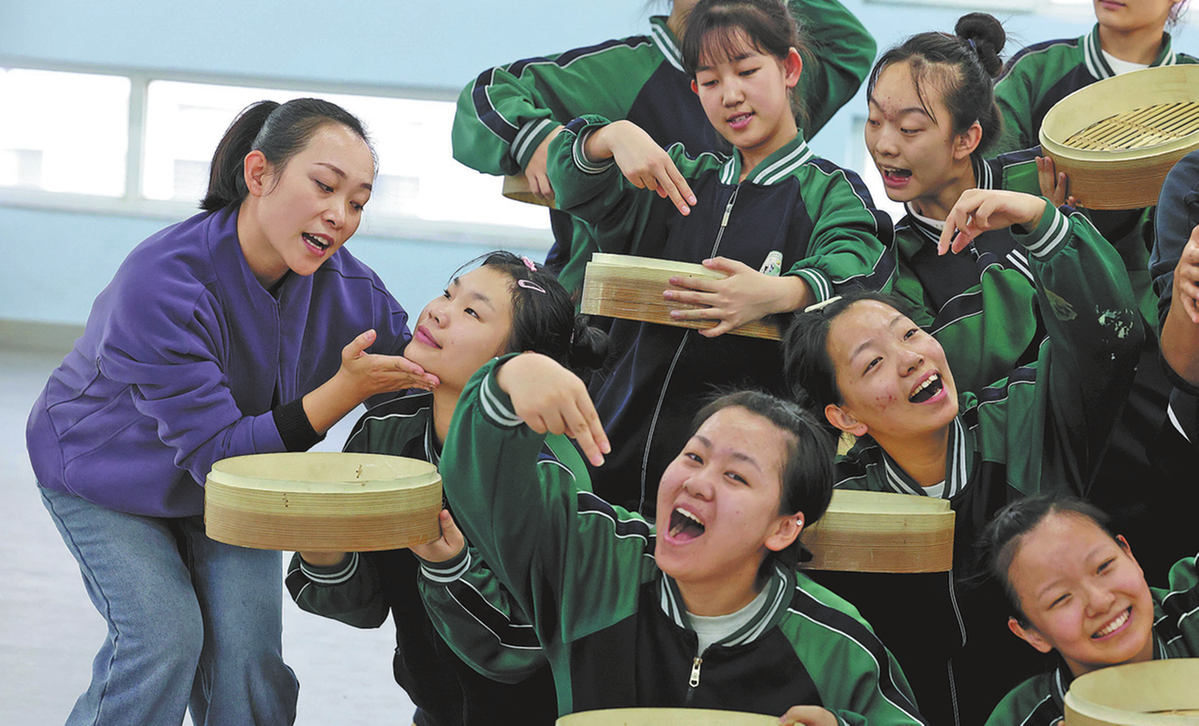
As a troupe of 17 girls performed a synchronized dance routine inspired by the process of making oat flour kaolaolao, one of Shanxi province's iconic noodle dishes, the audience would be hard-pressed to believe that not one of them could hear the music they were dancing to. The group of deaf dancers captivated audiences and won a prestigious Star Award at the 20th National Excellent Mass Art Works Exhibition and the Star Awards ceremony in Chongqing on November 4.
The Star Award, established by the Ministry of Culture and Tourism, is the highest honor in Chinese mass culture at the community level. Out of thousands of entries, the girls' dance, Steaming Happiness, stood out for its unique Shanxi regional flavor and the extraordinary dedication of its performers.
"We felt like we were groping in the dark, finally reaching for the light," said 14-year-old Liu Yuxin, one of the dancers. Suffering from eardrum damage since childhood, she struggled to grasp musical rhythms.
"I have to keep my eyes glued to our teachers' instructions, engraving every gesture in my heart," she said.
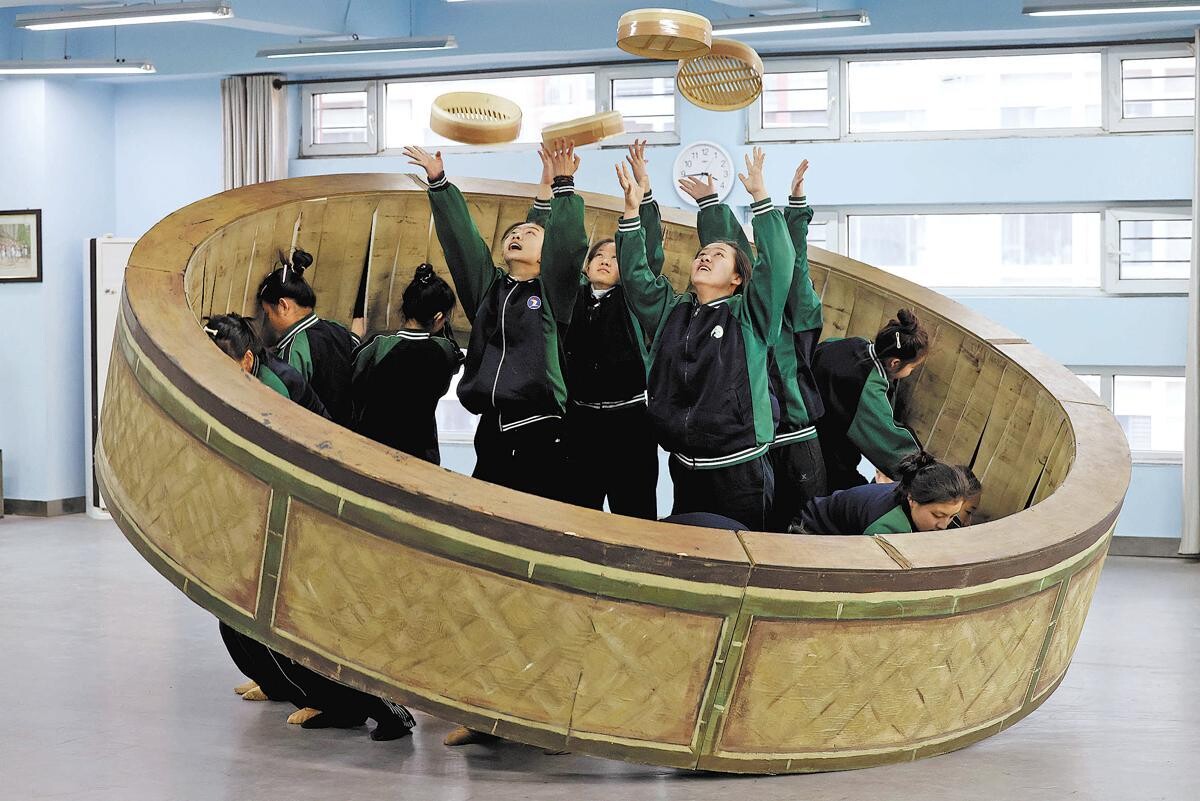
The dance, she added, allows her to "forget the regret of not being able to hear, and harvest countless moments of joy".
Shanxi is known for its wide variety of wheat foodstuffs. The dance vividly depicts the rural scenes of farmers making oat flour kaolaolao, with the dancers gracefully moving around a giant "steamer", mimicking actions such as kneading dough, handling hot surfaces and covering their ears from the steam.
Unseen by the audience, two dance teachers stand on the stage corners, silently conveying the dance rhythm through precise and expressive gestures.
The dancers, with an average age of less than 16, all hail from the Taiyuan School for the Deaf in Shanxi. They were selected from more than 300 students and had no prior professional dance experience. They dedicated over a year to perfecting the three-and-a-half-minute routine.
For 16-year-old Li Jiahui, another member of the group, her lack of hearing once fueled intense self-doubt. "Although I had never danced before, the thought of the joy of dancing made me sign up without hesitation," Li said.
"It was incredibly difficult at first. I had to repeatedly practice the movements, my knees covered in bruises. It was tiring and hard," she added. "Sometimes I wanted to give up, but my love for dance kept me going."
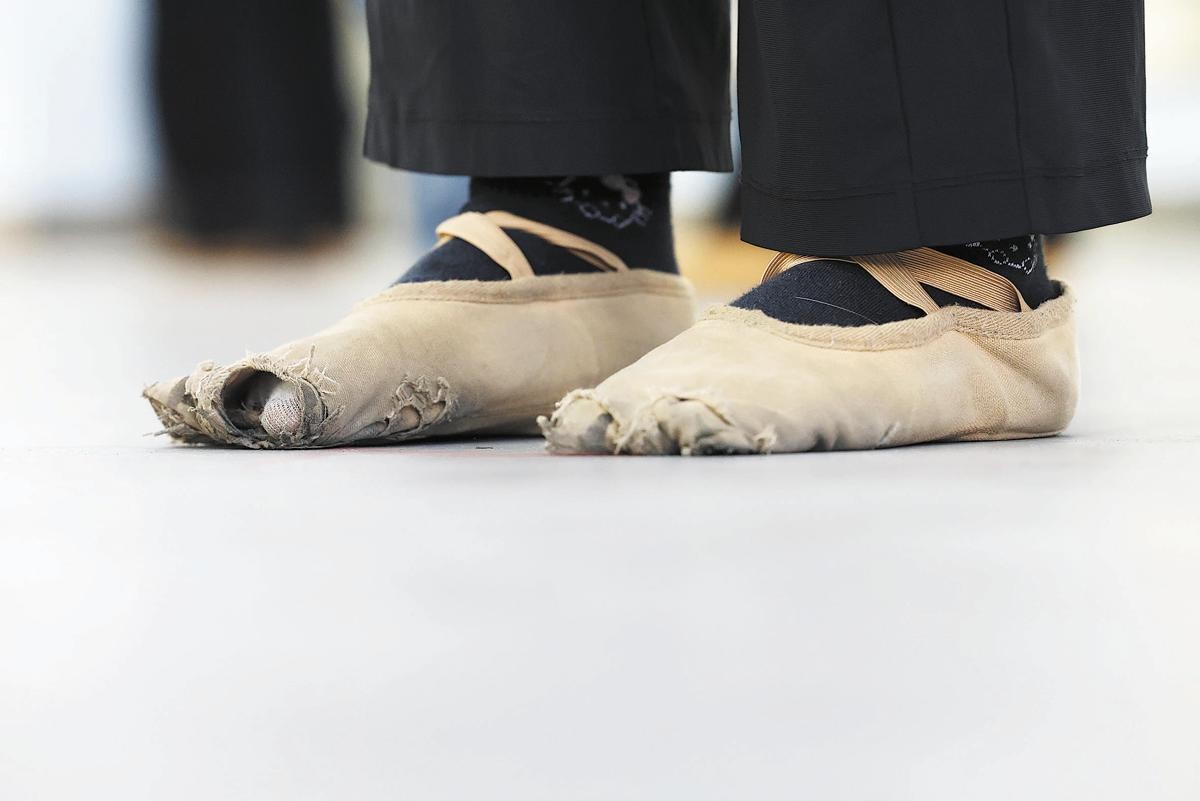
In the school's rehearsal room, Li's dance shoes, riddled with holes, stood out. Despite being provided with new shoes, she stubbornly continues to train in the old ones.
"The old dance shoes have a special meaning for me. They witnessed my learning process. From nervous tears during rehearsals to now being able to complete all the movements with ease, every mark holds a piece of my growth," Li said.
For 18-year-old Yang Xingyue, dance has completely changed her life. Once introverted and unwilling to interact with her classmates, she was discovered by her teachers for her potential and recruited into the troupe. "I'm graduating next year, and the award is the best graduation gift, and the most precious memory of my life," Yang said using sign language.
She added, "I went from being a substitute to being a lead dancer. The road was full of hardships, but it was worth it."
For deaf students, perceiving rhythm is the biggest challenge. To help the girls overcome this, four teachers tried their best — two guiding the dancers from different vantage points, one managing the lighting changes, and another serving as the team's lead dancer.
"Movements that normal dancers can master in five or 10 repetitions, our students need to practice 50 or 60 times. There are no shortcuts, only repetition and perseverance," said dance teacher Lei Yuanli. "There is no room for hesitation on stage. Even a small pause would be noticeable."
To alleviate the girls' anxieties, the teachers tirelessly refined the choreography and positioning, helping them find the best angles to observe the directions, ensuring every beat was accurately translated into body movements.
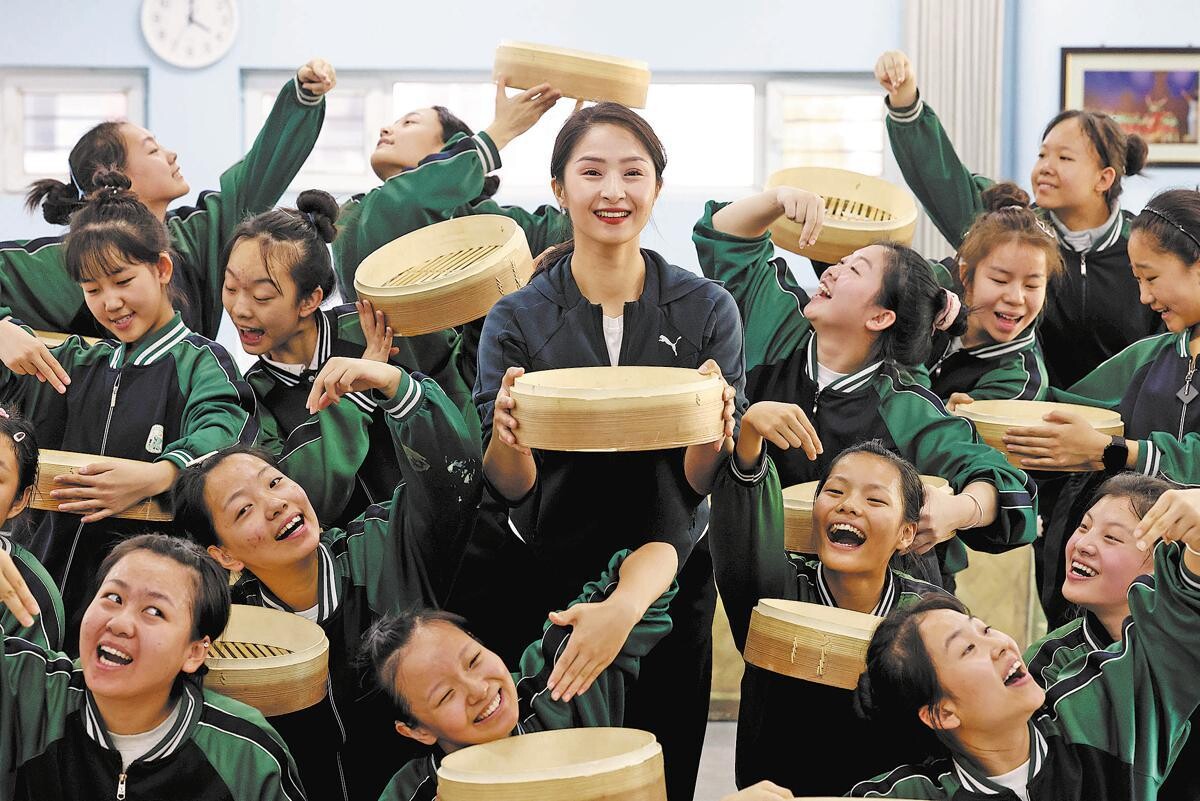
Lead dance teacher Wei Yujie summarized the three major challenges in teaching: not being able to hear the music, lack of dance training and difficulty grasping rhythm. "Each required patience to overcome," Wei said.
Since their ears couldn't perceive sound, they focused on making their eyes their "second pair of ears".
"The students perceive the rhythm by observing the speed of the gestures. When they can't see the instructions during complex sequences, they rely on their peripheral vision to imitate their classmates, reminding each other and supporting each other," Wei said. Wei teared up when speaking about the girls' efforts and hard work. "Watching them give their all for their dreams reminds me of when I was training, covered in injuries but never thinking about giving up," she said.
Fu Jinwei, principal of the school, said that the preparation for Steaming Happiness began in July last year and was a collaborative effort between grassroots cultural workers, deaf individuals and special education teachers.
"Dance is a shining name card for our school. The school's dance team has won numerous national awards in the past two decades. This Star Award is the greatest affirmation of the children's efforts," he said.
"All of our students have severe or profound hearing loss. ... We hope to use platforms like dance to help children find their value, so that they can be self-sufficient when they enter society in the future."