













| Guangdong set a single-digit GDP growth target - 8.5 percent for year 2009. Stressing the province would face toughest situation in the new century, Governor Huang Huahua of Guangdong province listed main tasks for the province, with Pearl River Delta development as the core.
Huang delivered this work report on the second plenary session of the 11th Guangdong Provincial People's Congress, which opened in Guangzhou this morning. In the report, he also had a review on Guangdong鈥檚 overall performance in 2008. In the past year, Guangdong made a 10.1 percent GDP growth despite the financial crisis.
A total of 790 deputies from 22 delegations attend the session. Some 100 citizens and officials form 25 different countries鈥 consulates in Guangzhou audit the conference as well.
The session will last five days, and closed on February 17, 2009.
Guangdong's Performance in 2008
A 10.1 percent GDP upbeat was the final score of Guangdong economic in 2008, showing the province has successfully maintained a stable and relatively fast growth despite the severe natural disaster in the first half of the year and the global financial crisis in the second half.
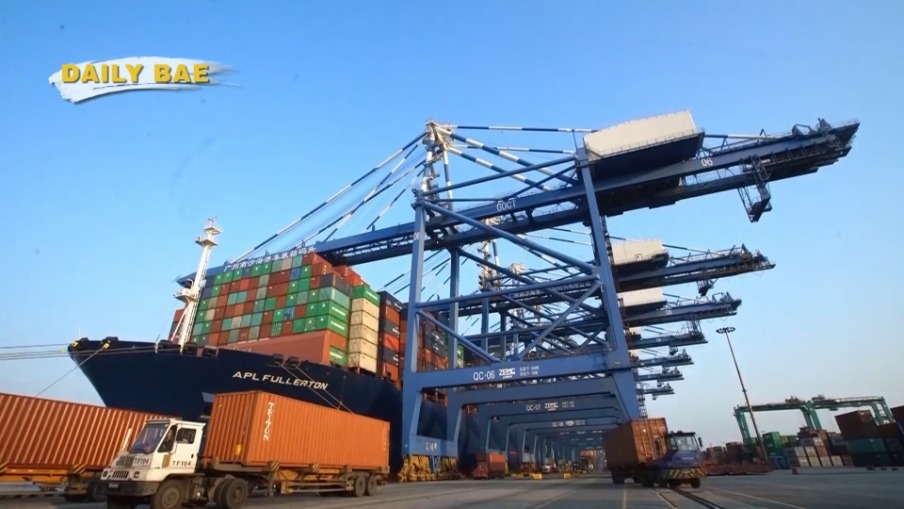
Under the global financial crisis, the foreign trade in Guangdong saw its growth rate dropped from 20.3 percent to 7.8 percent. The total trade volume reached 683.3 billion USD.
The deposit and loan balances of RMB and foreign currencies totaled 5.61 trillion RMB and 3.39 trillion RMB respectively, with 14.6 percent and 12.8 percent rises from the previous year. The financial revenue from Guangdong reached 847 billion Yuan, up by 9.3 percent, according to the report.
The province's total fixed asset investment climbed 16.5 percent to 1.118 billion Yuan, whereas retail sales of commodity soared 20.3 percent to 1,277.2 billion Yuan, and the CPI increase was 5.6 percent
To optimize the industry structure, the province has accelerated the construction of modern industry system, with a total of 14 advanced manufacturing bases built. More nuclear power plants, equipments and electric machine manufacturing projects stared, and the automobiles industry cluster and large-scale shipbuilding bases expanded.
Great progress has made in self-innovation as the province topped the nation in number of patent applications, Chinese name-brand products, Chinese famous trademark and Chinese world famous brand products. A total of 1278 achievements in science and technology were registered.
The report also showed the earlier fruits of the聽industry and labor transfers strategy, which optimized the layout of regional economy. The 29 provincial-level industry transfer parks have stimulated the economy of less-developed regions. A total of 585,000 farmers have received free vocational training. Meanwhile the Pearl River Delta region was upgrading their industry structure.
Efforts in improving people鈥檚 livelihood never slacked off. The urban residents鈥 disposable income rose to 19733 RMB, up 11.5 percent year-on-year, and the rural residents鈥 disposable income was 6400 RMB, up 13.8 percent year-on-year.
Constant efforts had been made to widen the coverage of retirement, unemployment, medicare and injury insurance. And free compulsory education had covered both urban and rural areas.
Plan for 2009
Huang said, with export as long-time key economic drive, Guangdong has great pressure to maintain sustainable development in 2009 amid global economic slowdown.
However, the province also sees opportunities in the global economic recovery and the business relocation. The national policies on expanding domestic demand and economic structure upgrade make more domestic and oversea market resources accessible for the province. The province will continue its opening up as well as to steps up its domestic market expansion.
The fixed asset investment and the retail sales are expected to go up by 16 percent and 14 percent respectively. Foreign trade is expected to keep upbeat momentum, but with no concrete figure target set. The CPI will be controlled to modestly up 4 percent. The urban and rural residents are to have 9 percent and 7 percent income increases respectively.
A total of 3.3 billion RMB will be injected in to 200 key projects, including the road and rail construction, natural gas pipe systems, Yangjiang nuclear power plant and Baiyun Airport Phase II. Driven by all these big projects, the fixed asset investment of the whole province is expected to total 1.3 trillion RMB.
The province also plans to support local retail and travel sector as well as to speed up the welfare housing projects. Auto, culture, communications, sports and health care consumption are especially encouraged.
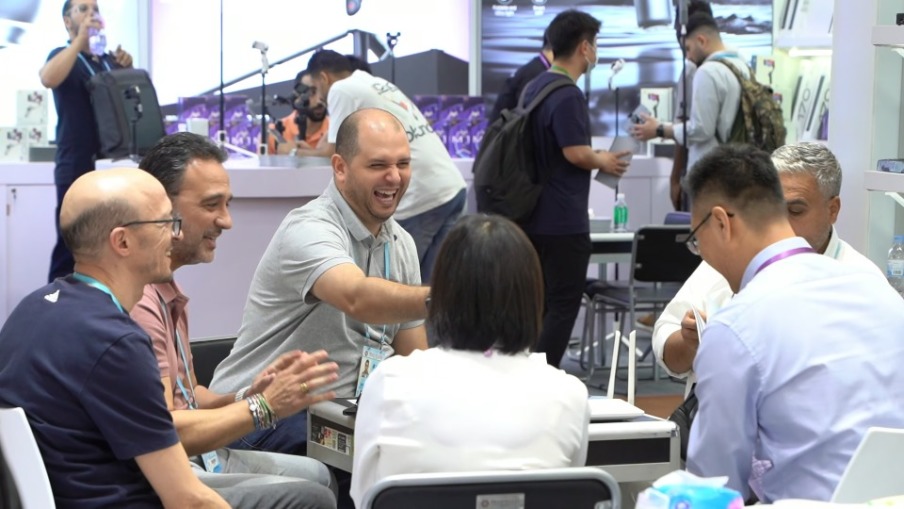
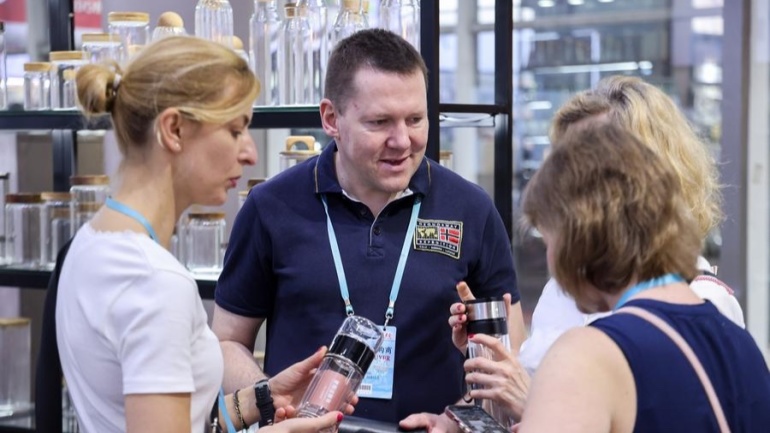
About international trade and cooperation, the province will put more effort on the uprising oversea markets, including ASEAN, Africa, South America and Russia. Export of advanced manufacturing and hi-tech products as well as oversea investments are encouraged. Guangdong will try to attract more world leading companies to set up their regional headquarters here and attract foreign investors to launch modern service and advanced manufacturing projects in the province.
More important, the Pearl River Delta Reform and Development Plan issued late last year has became the province鈥檚 clear work guide for the decade to come and won the state鈥檚 support and resource. Cooperation with Hong Kong and Macao as well as ASEAN countries are the main focus of Guangdong in regional cooperation.
鈥淧ublic interest first鈥 was stressed in this report and innovation capacity building, traditional industry upgrade, modern agriculture system, double transfer and new work evaluation system were underlined as the key measures for increasing the 鈥淧er Capita鈥 Indexes. The Per Capita GDP target for 2009 is a 7.5 percent growth, with the Pearl River Delta cities鈥 per capita rise rate not lower than its overall rise rate. The energy saving moves will continue with the per GDP energy consumption down by 3.7 percent the overall emission further trimmed.
Editor: Yan
|