











Guangzhou's Tianhe District is set for a major transformation.
A detailed plan for the redevelopment of the Zhujiang New Town Racecourse (Machang) area was approved by city authorities on December 2. The site, once a symbol of Guangzhou's horse racing culture, will be reshaped into a world-class central urban park, featuring an integrated "luxury retail + high-end hotel + experiential lifestyle" consumption cluster. The project aims to create a multifunctional, eco-friendly, globally oriented powerhouse at the heart of the city.
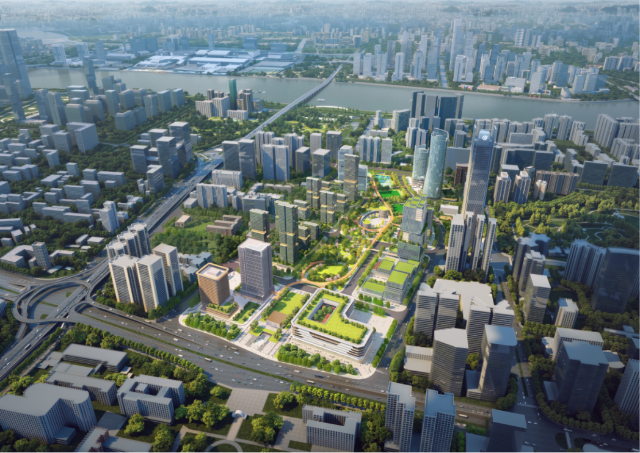
Overall spatial concept diagram
23 km "Super Urban Green Chain"
The Guangzhou Racecourse plot (AT1113 planning unit), built in 1992 in the eastern part of Zhujiang New Town, originally served as the city's commercial horse-racing venue and witnessed the peak of Guangzhou's racing culture.
The new plan links the site to a 23-kilometer "super urban green chain," with the racecourse as its core. The chain stretches north to Jinan University, south to the Liede Water Purification Plant and the riverside park, west to Zhujiang Park, Liede River, Xingsheng Road commercial street, and Huacheng Square, and east to the AI Industrial Park, Second Cotton Mill Pocket Park, and Tianhe Park.
It will also provide a 4.5 km shaded pedestrian corridor connecting Tianhe CBD, Zhujiang Park, the Racecourse, and Tianhe Park, as well as a 6 km scenic greenway linking four major universities: South China Agricultural University, South China University of Technology, South China Normal University, and Jinan University.
Along this green chain, new public amenities, including waystations, art installations, pocket parks, bicycle docks, signage upgrades, and urban furniture improvements, will enhance public accessibility and overall user experience.
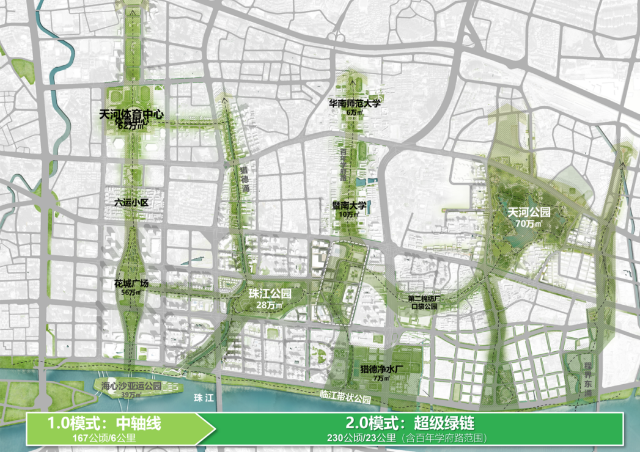
Super Urban Green Chain diagram
Central Park and New Cultural & Sports Hub
With over 10 hectares of planned green space, the area will be developed into a world-class central urban park.
Incorporating the concepts of "Park+" and "Sports+," the plan activates the expansive open green core with ball courts, adventure zones, and social activity spaces, creating a vibrant, inclusive environment for urban recreation.
Innovative underground development will introduce a multi-level, "folded" sports complex. Historic horse-racing structures, such as the viewing tower and scoreboard, will be preserved and integrated into the park's landscape design, enriching the site with cultural memory.
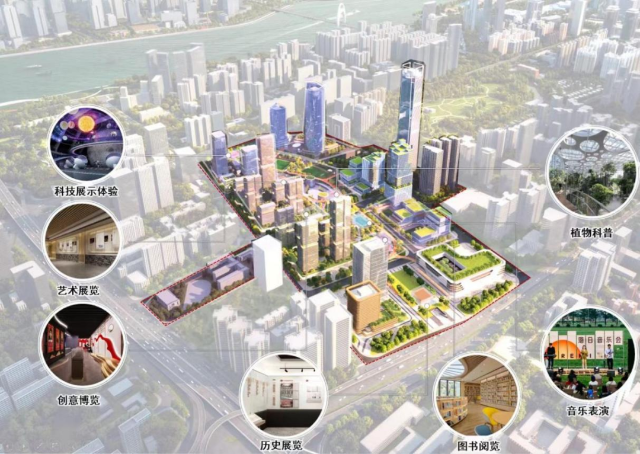
Public facilities diagram
Together, these elements will form a new "People's Cultural and Sports Living Room"—a destination blending ecology, culture, and fitness, offering diverse recreational experiences.
Leveraging two metro interchanges (Line 13 Machang Station and Line 5 Tancun Station), the project will add 22 public-service and municipal facilities, including a nine-year school and a community service center, addressing service gaps in the area.
New micro-exhibition spaces will spotlight creative culture, smart technology, and local heritage, while community sports facilities and themed cultural venues will help build a "15-minute quality living circle" that balances work and life and supports integrated urban development.
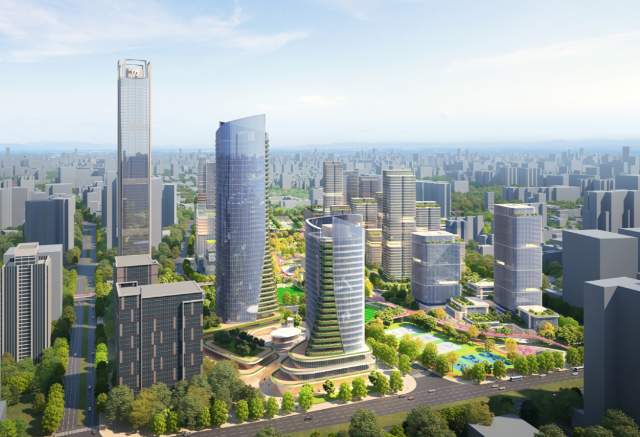
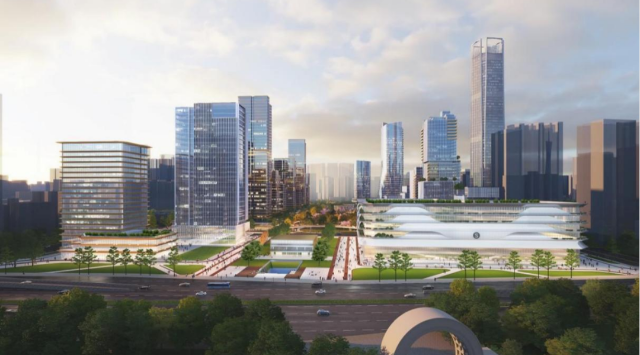
Multifunctional Headquarters Cluster diagram
World-Leading Luxury Consumption Hub
The plan positions the area as a new business powerhouse anchored by eco-garden offices and high-end corporate headquarters.
With an integrated "ultra-luxury retail + high-end hotel + signature experiences" consumption chain, the district will attract premium brands and trendsetting commercial activities—laying the foundation for a world-leading luxury consumption center.
Embedded commercial spaces within the central park will create a demonstration zone for a new urban model that merges work, living, leisure, and retail. The project is expected to boost the high-quality development of Guangzhou's central vitality zone and the Pearl River economic belt, accelerating the city's march toward becoming an international consumption center.
Author | Liu Lingzhi
Photo | Guangzhou Daily
Editor | Wei Shen, James Campion, Shen He